UX Designer
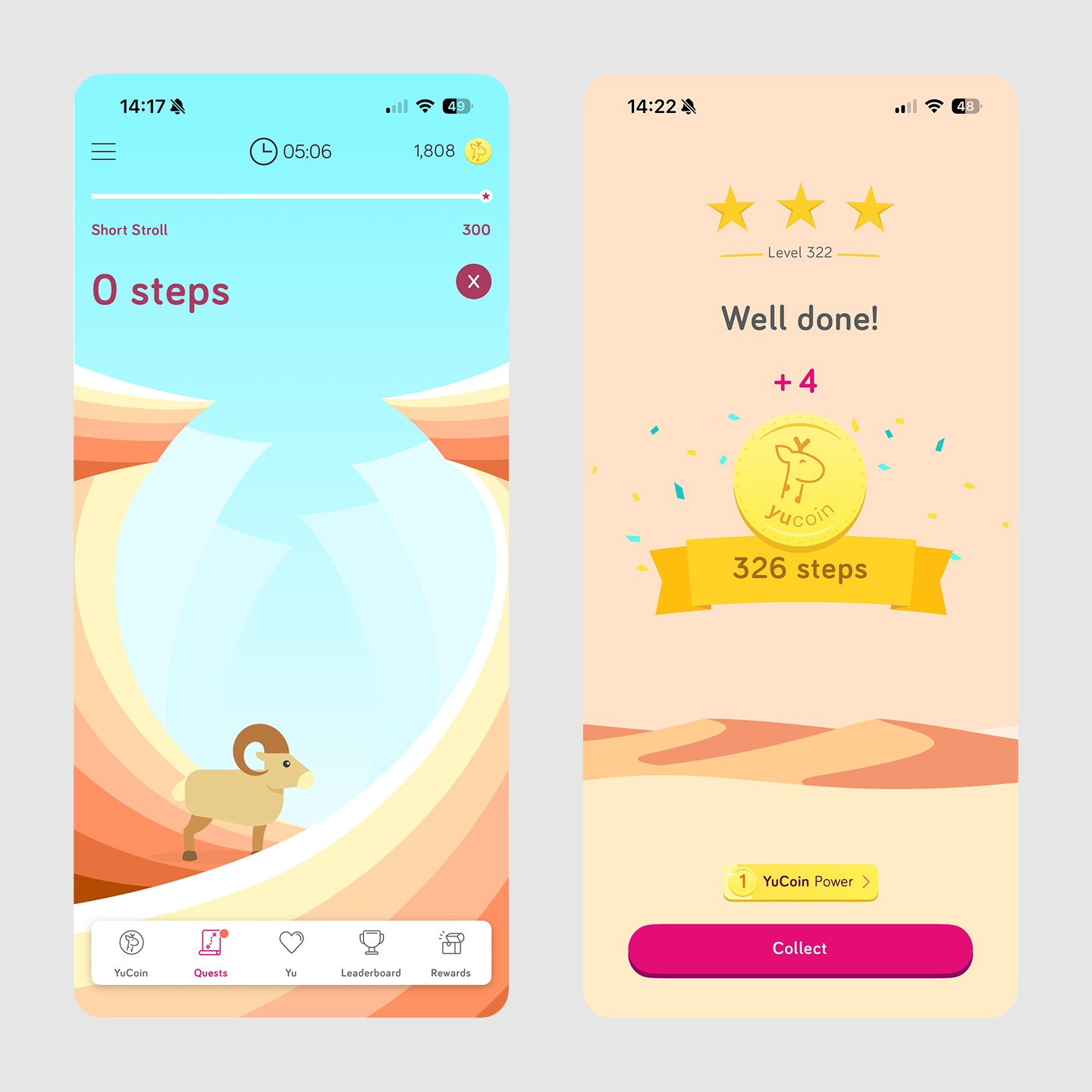
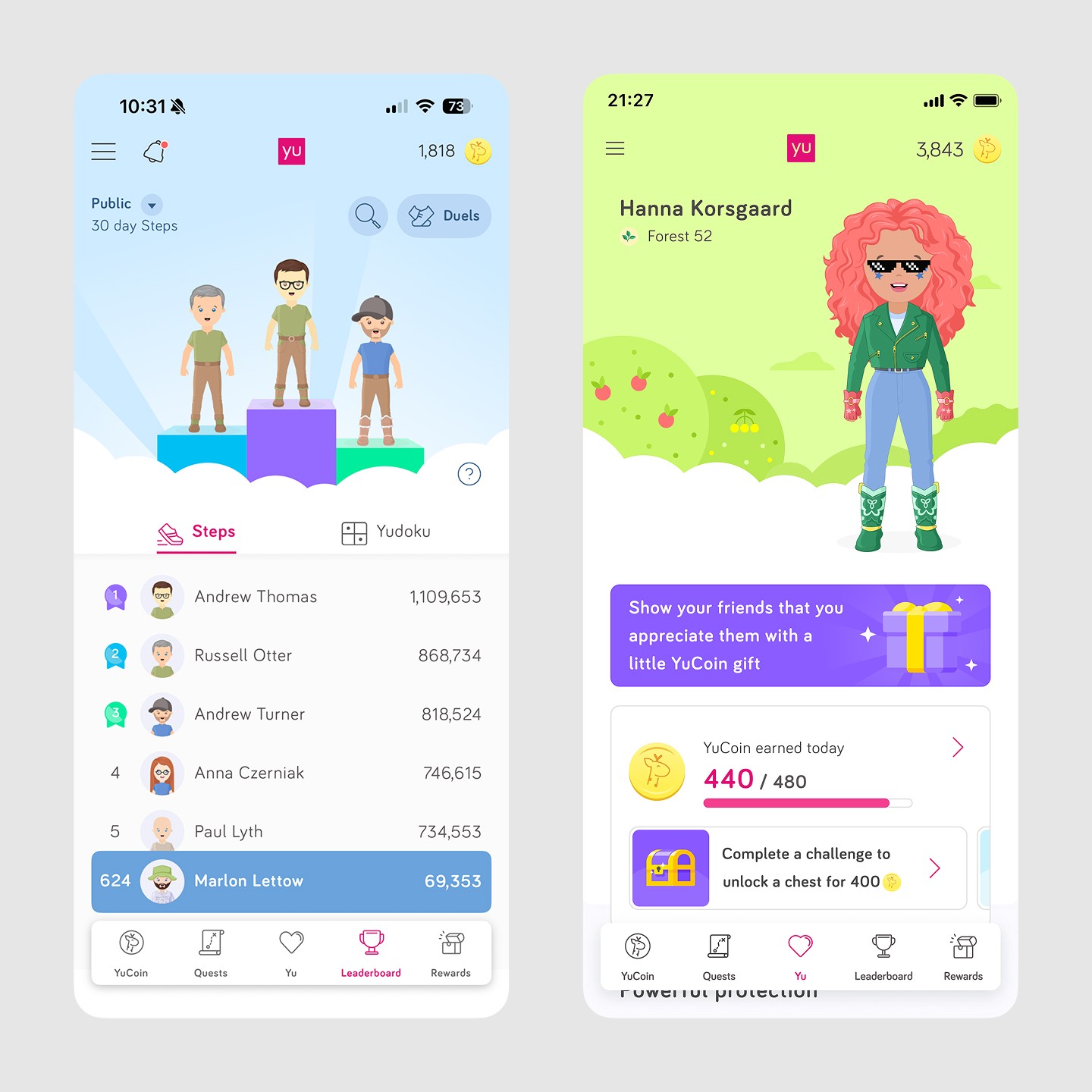
YuLife successfully motivated wellbeing behaviour, but progress felt private. Players completed daily challenges, earned YuCoin, and redeemed rewards, yet their effort was mostly invisible to others. Outside of optional leaderboards and duels, there was little reason to explore or engage with other people’s profiles.
The core loop drove activity, but it did not reinforce identity or shared recognition. Motivation centred on earning rewards rather than being seen for sustained effort. Without a visible layer of progression, the app encouraged healthy habits but gave players little reason to explore profiles or engage with one another.
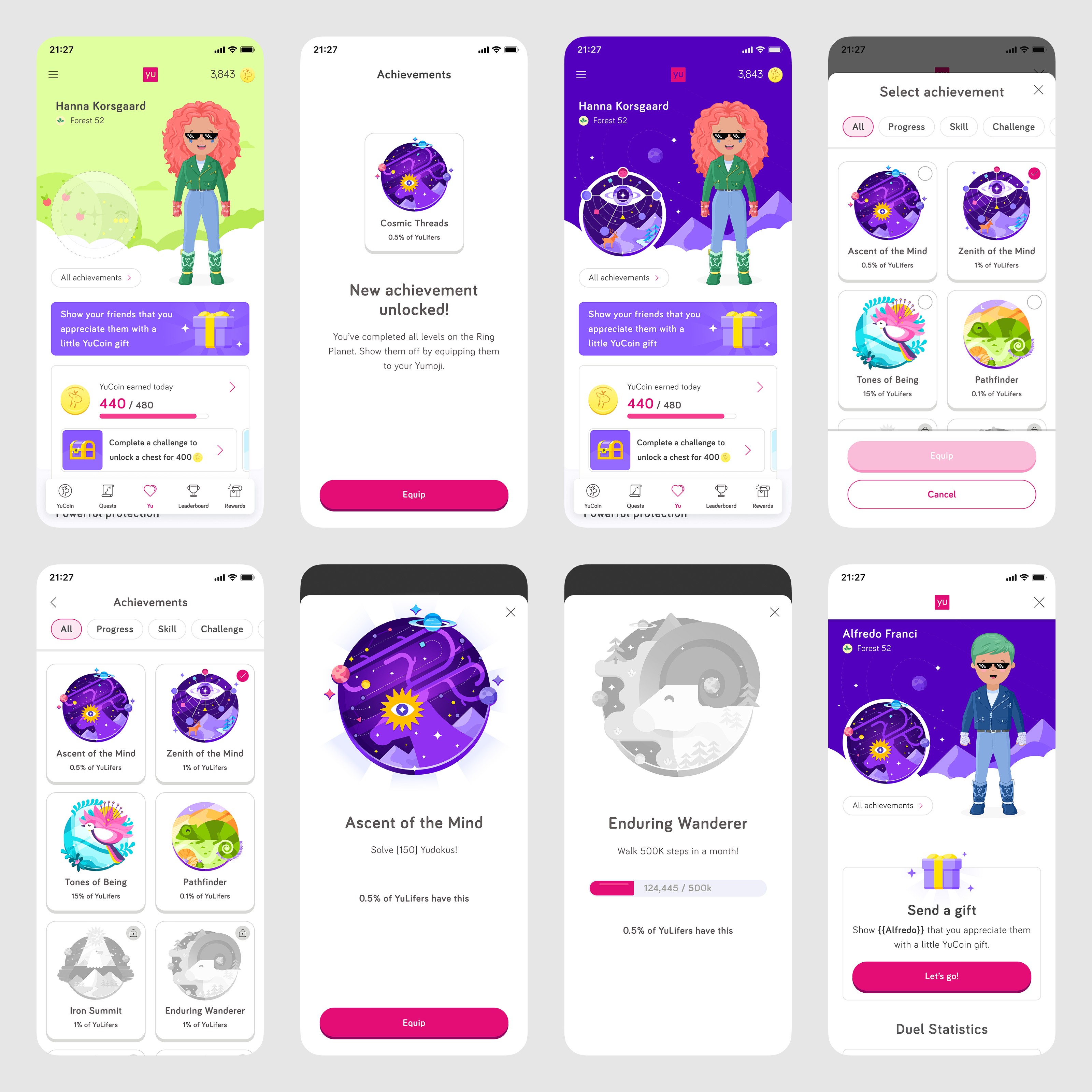
Introducing achievements would elevate certain behaviours and reshape how progress was understood. That raised a question: what should the system reward, and what might it unintentionally discourage? To answer this, I analysed existing gameplay loops, identified moments of celebration, and studied achievement systems in games to understand how visibility shapes behaviour.
Several principles emerged:
Reinforce the core loop. Achievements had to strengthen daily challenges rather than compete with them.
Anchor recognition to identity. Because the profile page and avatar defined player identity, achievements needed to live there without adding clutter.
Balance depth with clarity. Layered goals add meaning, but too many visible objectives introduce friction.
Balance aspiration with accessibility. Long-term milestones create status, but early wins sustain participation.
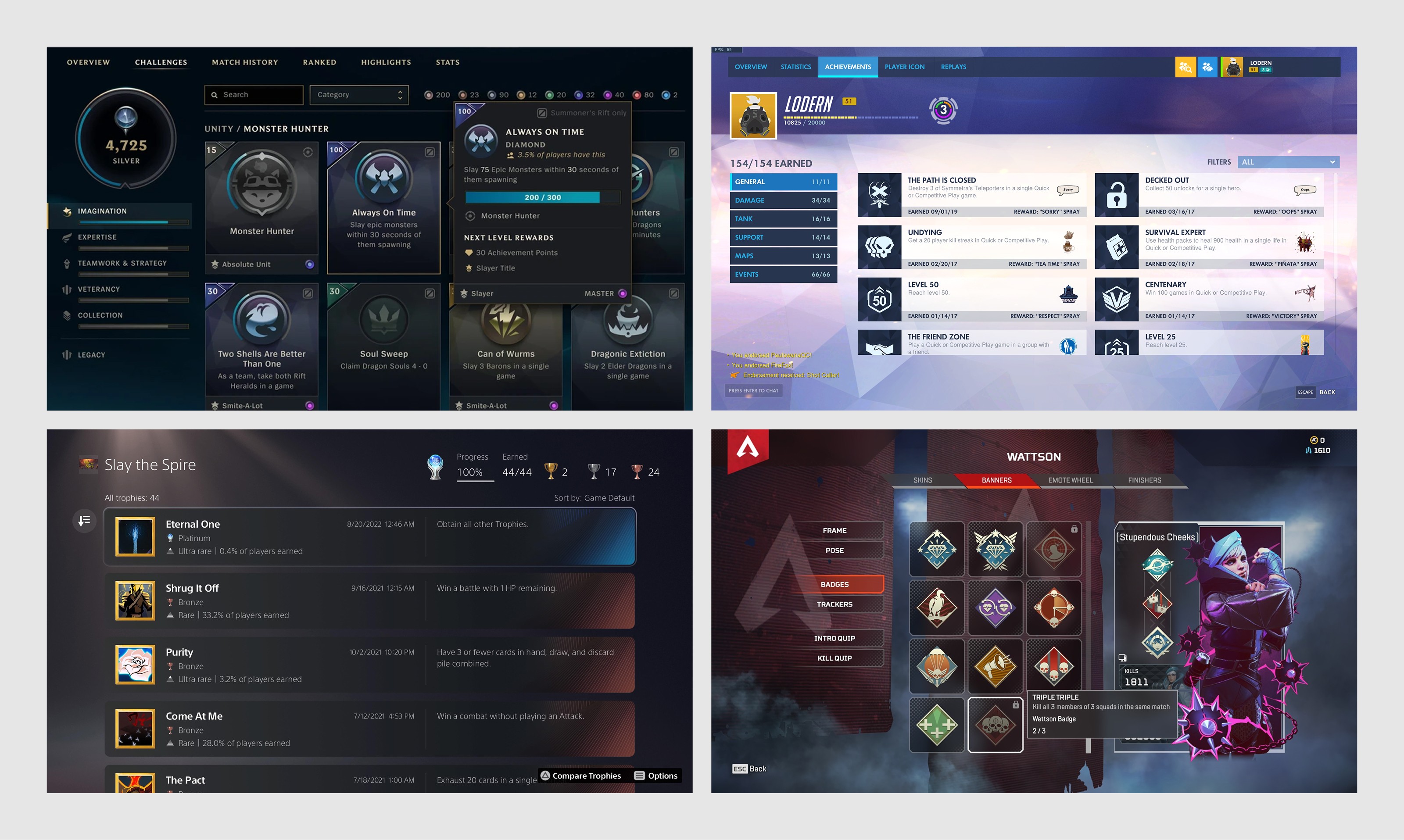
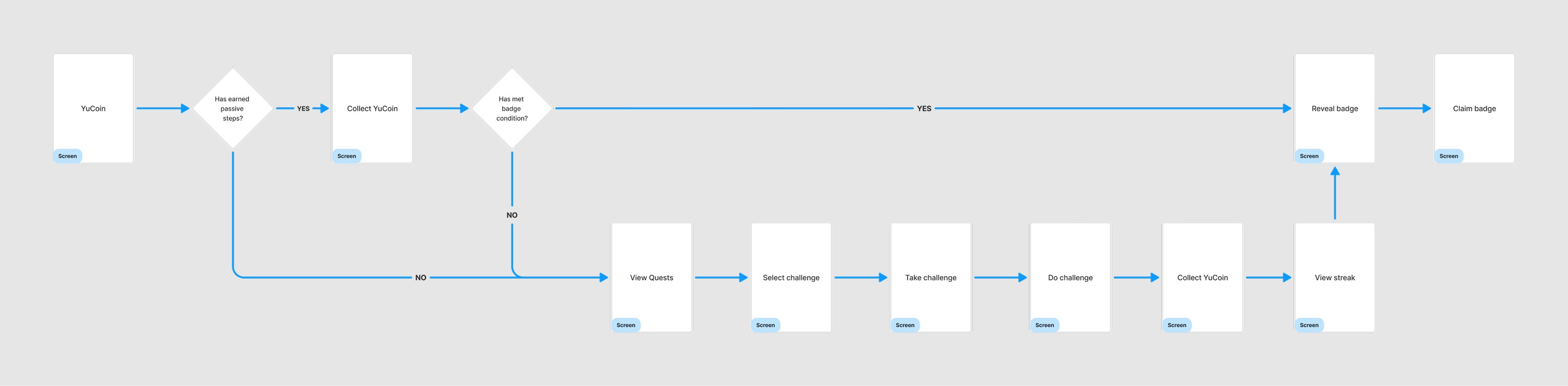
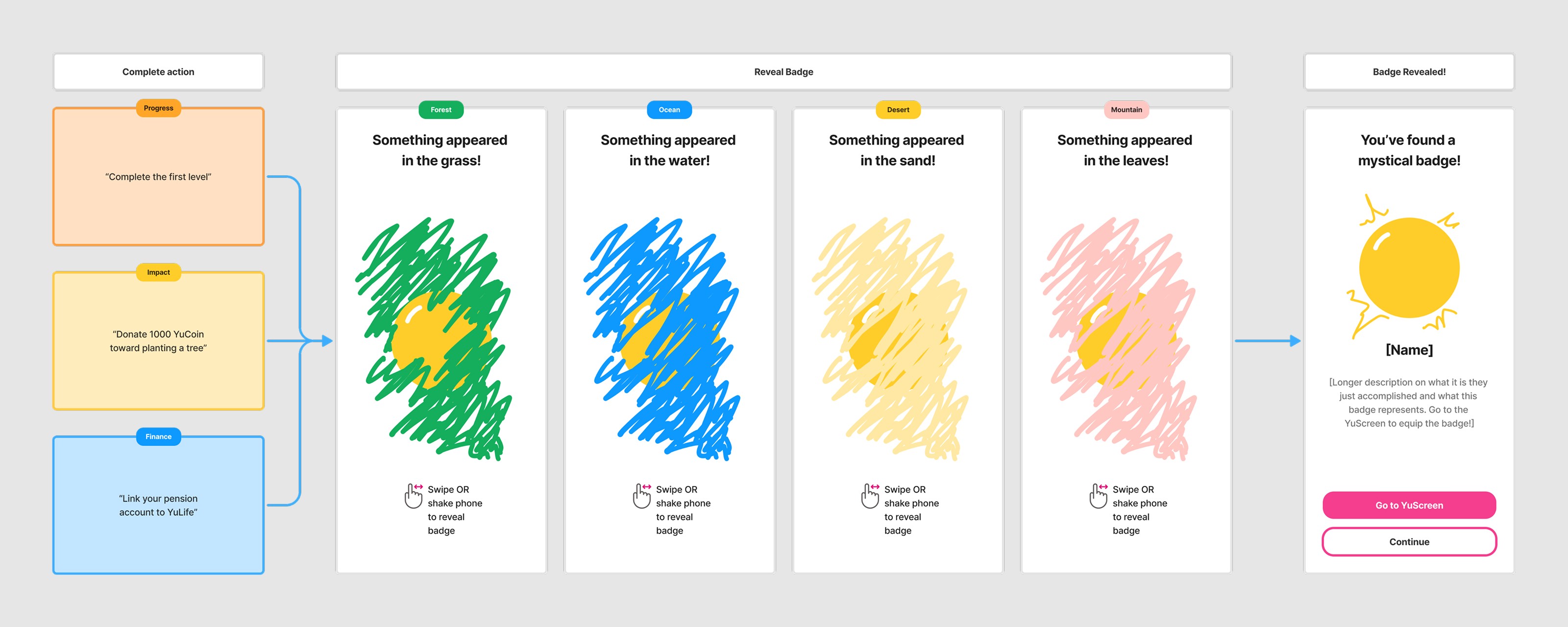
What began as a feature evolved into a system that touched progression, profile design, and social interaction. While the work affected multiple areas of the product, I focused on the challenges that most directly shaped behaviour and identity:
Simplify the system. Early explorations into tiers, points, and rarity added unnecessary weight. Each achievement was reduced to a single clear requirement, creating a foundation that could scale.
Curate what deserved recognition. Not every action warranted elevation. Achievements were mapped against player motivations and narrowed to behaviours central to the core loop. Naming focused on who the player becomes, not just what they did.
Structure for scale. As achievements expanded, complexity increased. Category-based filtering and contextual surfacing ensured depth without overwhelm.
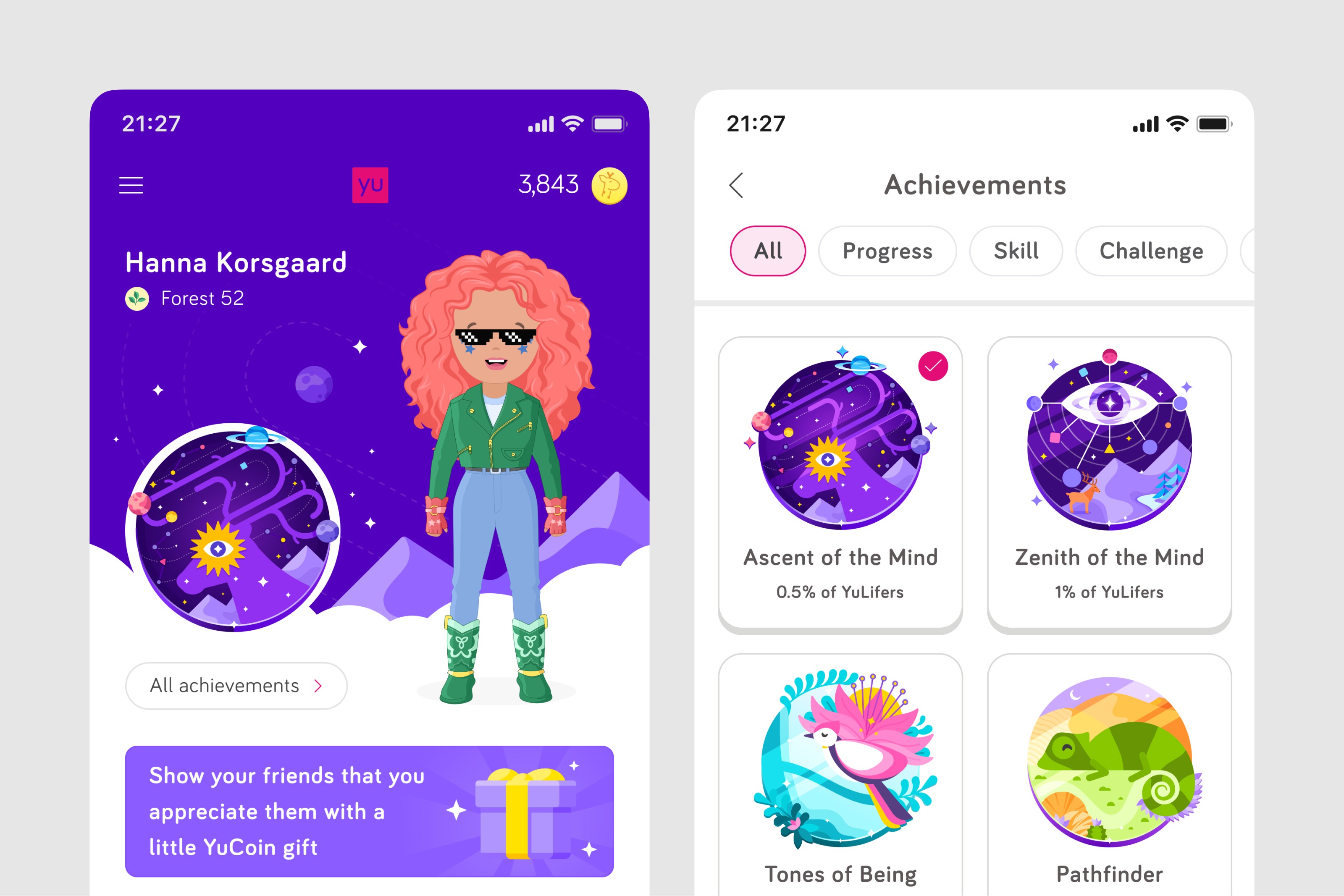
Design for identity. Achievements needed to be added to the profile without clutter. The system was reduced to a single equippable badge, turning milestones into clear social signals.
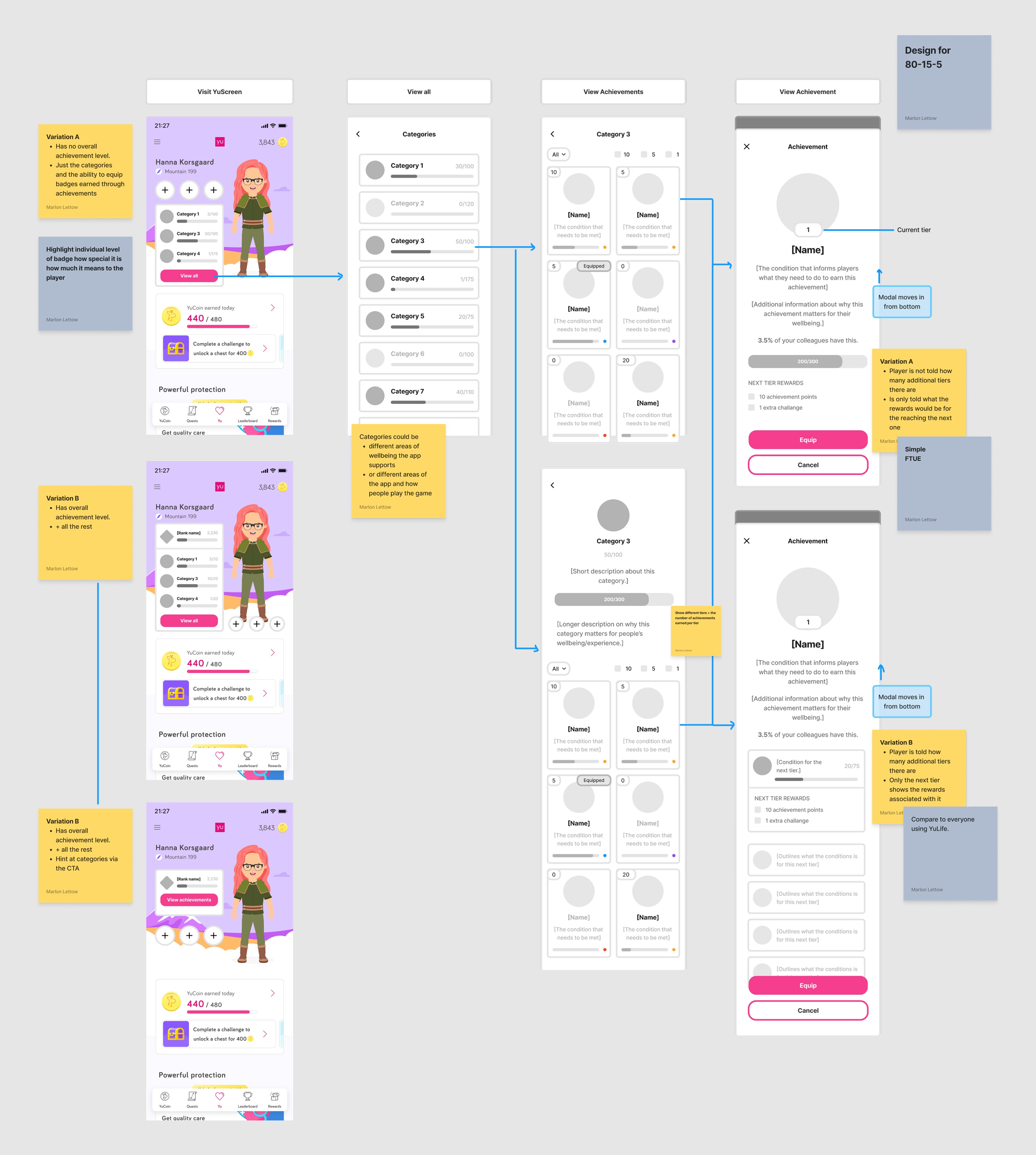
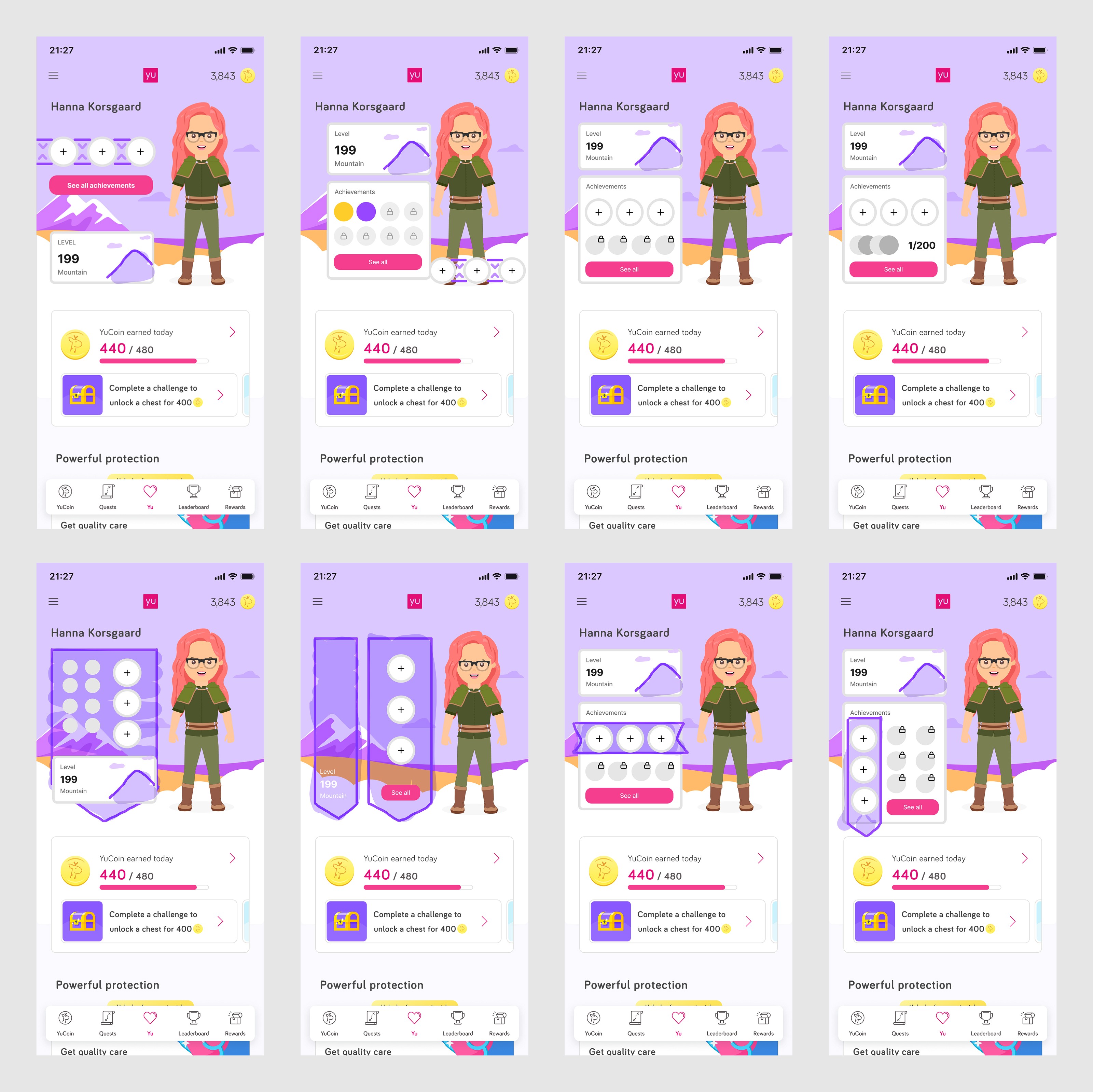
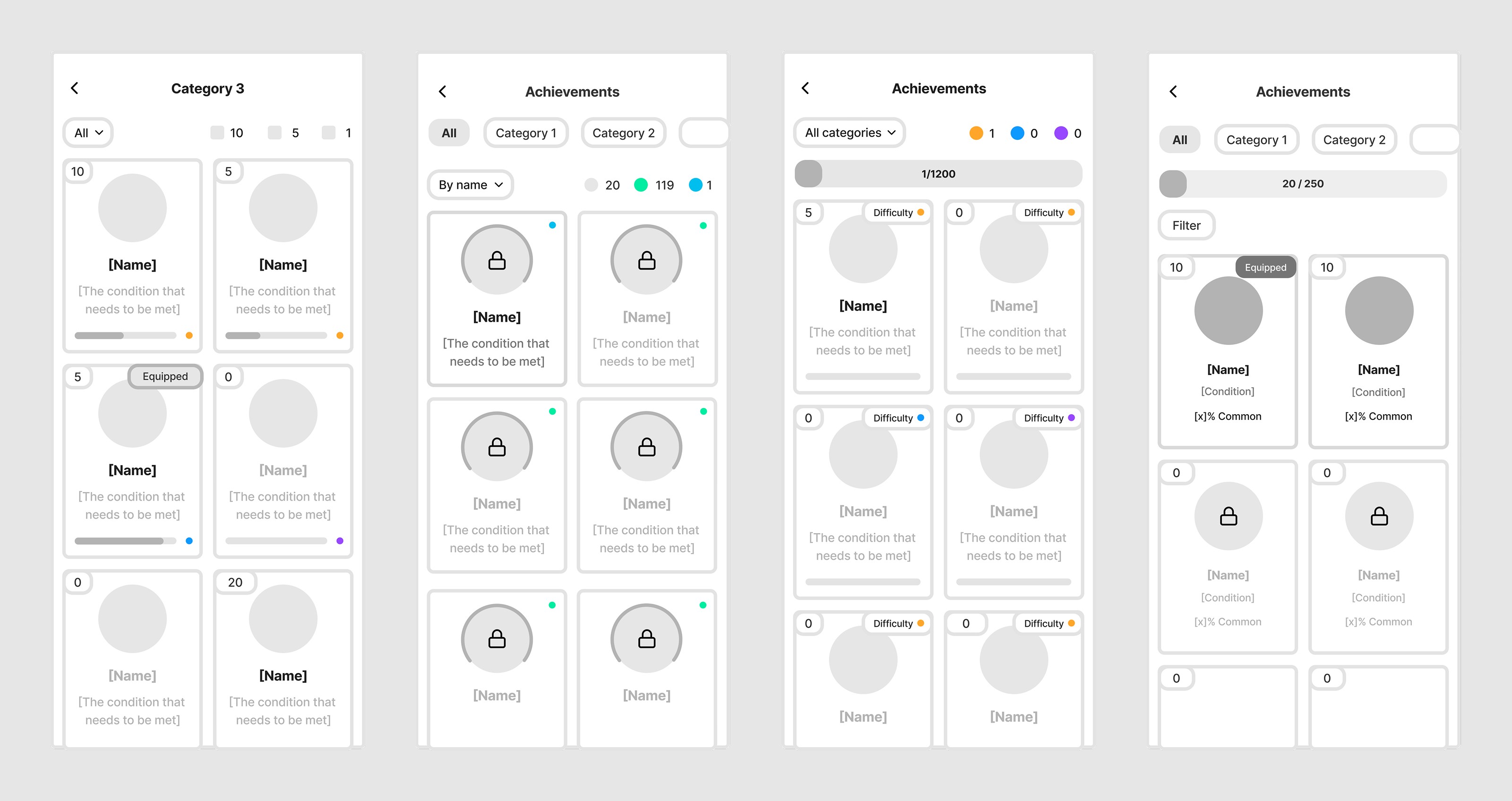
The achievement system introduced a visible layer to player progression. A single equipped badge made milestones tangible. Profiles that once centred on activity now reflected growth. Visiting another player’s profile became a way to understand their progress, not just their data.
For YuLife, engagement expanded beyond earning. Recognition became part of the product experience, creating a foundation for additional social features such as visible achievements within leaderboards.